


Food and nutrition at competitions
What should my child eat at competition?
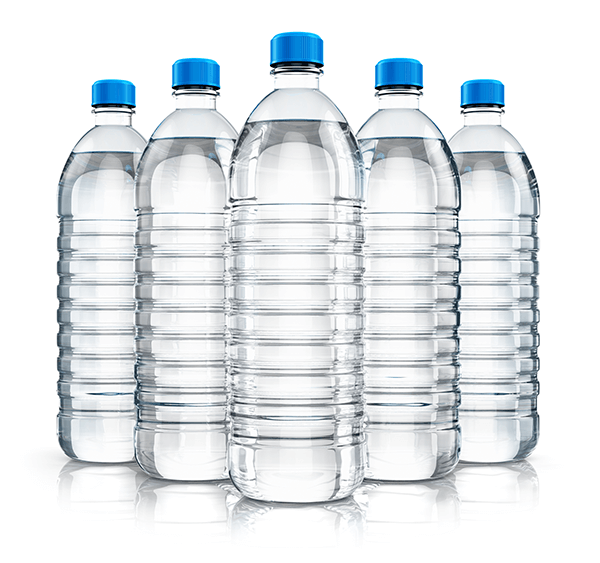 It is a good idea for swimmers to have food at competitions – food is fuel and swimmers get hungry quickly. However, before consuming food it is very important for swimmers to hydrate well. Swimmers must make sure they have plenty of water with them (open meets and championships 2 x one litre bottles, in training swimmers should drink 1 litre per hour so please invest in water bottles of 1 litre capacity). Swimmers could have a couple of bottles of “isotonic” (e.g. Lucozade Sport, Powerade…) and take a few drinks of this AFTER a race to replenish sugar supplies. Definite ‘no-no’s’ are: fizzy drinks – coffee – tea.
Food consumed at galas and other events need to be easily digestible. Swimmers should eat foods that they usually eat – so in some respects their daily diet needs to accommodate the types of foods that are good to eat at competition. Types of food swimmers often eat are cold pasta and rice mixed with small amounts of tuna/beans/salad/chicken etc.., breadsticks, fruit (grapes are good), flapjacks, dry cereal, mini bread and honey sandwiches, cereal bars, popcorn (not toffee), dried fruit and nuts; sandwiches (with healthy fillings) and rice or pasta dishes are good for lunch along with fruit juices, fruit and milkshakes.
It is important that the swimmer has their food for each session as at many meets they cannot return back to the parents during a session (so please give your swimmer the bag with the food in – it is not much good to them in the spectators area!). Definite ‘no-no’s’ anything fried or deep fried e.g. crisps, burgers, fried breakfast; high fat pastries; chocolate; doughnuts. What about sweets – these are more likely to impair performance than improve it so steer clear – go for fruit or dried fruit instead.
